


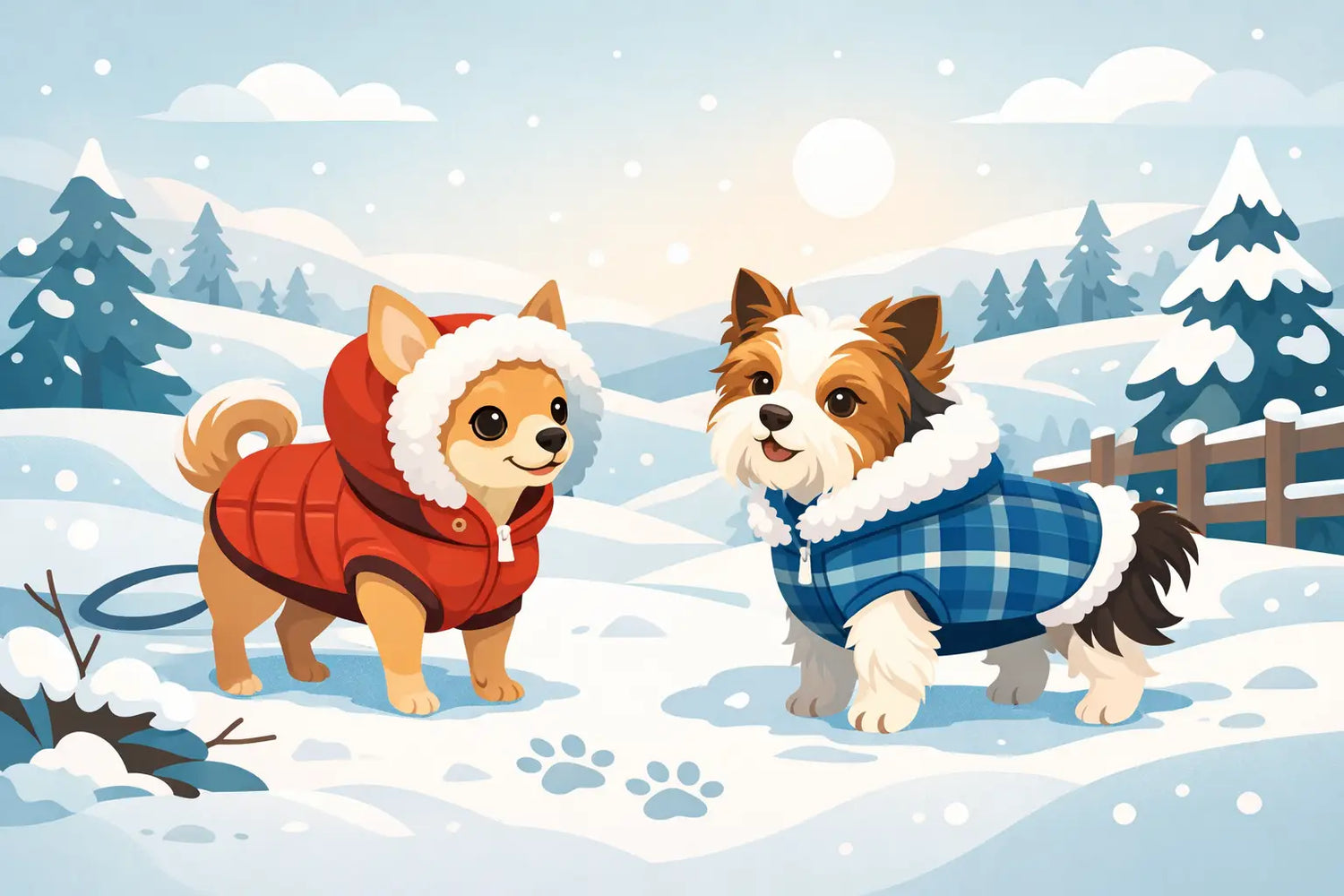
A good small dog coat review should begin where every brisk British walkie begins: with the weather. A little dog may look wonderfully smart in a coat, but the real test is whether it stays dry through a sudden shower, warm on a frosty pavement and comfortable enough to trot home happily. For small breeds and puppies, fit is not a finishing touch. It is the feature that makes a coat useful.
Small dogs can feel the cold more quickly than larger, sturdier breeds, particularly those with fine coats, shorter legs or low tummies close to wet grass. The right outer layer offers welcome protection without turning your pup into a stiff, overheated parcel. Here is what separates a coat that is simply cute from one that earns its place by the door.
Small Dog Coat Review: The Features Worth Checking
The best small dog coats balance three things: protection from the elements, a shape that allows easy movement and a look you genuinely enjoy reaching for. It sounds simple, yet plenty of coats get one of these right and miss the others.
For wet-weather walking, waterproof fabric matters more than a water-resistant finish. Water-resistant material can cope with light drizzle for a little while, but a properly waterproof outer is the better choice for soggy fields, coastal gusts and the familiar sideways rain of a British winter. Look for coverage across the back and chest, where rain can chill smaller dogs quickly.
Warmth needs a little more thought. A fleece-lined or lightly padded coat can be ideal for cold days, especially for a short-haired Chihuahua, Miniature Pinscher or young puppy still getting used to outdoor adventures. However, the warmest option is not automatically best. A fluffy dog on a fast-paced walk may need a lighter waterproof layer, while a tiny dog travelling in a pram, bag or car before a short toilet break may appreciate extra insulation.
A coat should also be easy to put on. When your dog is wiggly, excited or politely refusing to stand still because breakfast is calling, simple adjustable fastenings are a kindness to everyone involved. Secure straps should sit flat against the body rather than pinch under the front legs or rub around the chest.
Fit Comes Before Fashion
A beautiful print is always a joy, but a coat that does not fit correctly can restrict a dog’s natural stride or leave their tummy exposed to puddle splashes. Small breeds are wonderfully varied in shape. A long-bodied Dachshund, a round-chested French Bulldog and a petite Yorkshire Terrier rarely suit the same cut.
Measure your dog before ordering, even if you think you know their size. Start with the back length, measured from the base of the neck to the start of the tail. Then check the chest at its widest point and the neck where a collar would naturally sit. Compare those measurements with the specific size guide rather than relying on labels such as small or extra small.
If your dog falls between sizes, consider their build and the layers they will wear beneath the coat. A slim dog may be more comfortable in the smaller size if the neck and chest are adjustable. A broad-chested pup, or one who will wear a jumper underneath on icy mornings, may benefit from sizing up. The coat should be close enough to protect them from the wind, but never so snug that they cannot stretch, sniff and scamper naturally.
Signs the Coat Is the Right Size
Once it is on, watch your dog walk rather than judging the fit only while they are standing still. The right coat stays in place without twisting to one side, allows free shoulder movement and does not pull at the neck when your dog lowers their head to investigate an especially interesting leaf.
Check that the chest panel covers without pressing into the throat, and that the tummy area does not hang so low that it catches on the ground. For boy dogs, consider whether the cut leaves enough clearance for comfortable toilet stops. This tiny practical detail can make the difference between a well-loved coat and one that stays in the cupboard.
Waterproof Coats Versus Dog Jumpers
A waterproof coat and a dog sweater do different jobs, which is why many small-dog wardrobes benefit from both. A coat is your sensible choice for rain, mud and chilly wind. A sweater is lovely for dry, cold days, cosier evenings at home or layering beneath a roomier raincoat.
If walks are mostly quick pavements-and-park loops, a lightweight waterproof coat may be all your dog needs. For longer countryside rambles, a lined option provides more comfort when temperatures drop. Meanwhile, a soft knit can be perfect for a dog that feels the cold indoors, but it will not replace waterproof protection when the grass is wet.
Think about your usual routine, not only the coldest day of the year. A coat that suits everyday walkies, dries easily and is straightforward to clean will be worn far more often than an overly bulky one reserved for rare occasions.
The Practical Details That Make a Difference
Small details tend to reveal whether a dog coat was designed with real walks in mind. Before choosing, check for these four useful features:
- An opening that works neatly with your dog’s harness or lead attachment, so there is no awkward bunching at the shoulders.
- Adjustable neck and chest fastenings, which offer a more personal fit as puppies grow or when you add a jumper underneath.
- A soft inner finish around areas that touch the chest and underarms, helping to reduce rubbing on longer walks.
- Easy-care materials, because muddy paw prints and damp hems are part of the fun of being a dog parent in Britain.
Style Should Feel Like Your Dog
There is no reason practical dogwear cannot feel special. A well-chosen coat is part of your dog’s seasonal look, and matching it with a harness, lead, bow tie or collar flower can make even an ordinary pavement stroll feel a little more polished.
For some pet parents, a classic neutral coat is the perfect partner for a patterned harness set. Others love a coordinated print from nose to tail. Neither approach is more correct. The best choice is one that suits your dog’s personality and your everyday life - perhaps cheerful ladybirds for a bouncy puppy, a country-inspired design for woodland weekends, or elegant Toile de Jouy for a pup who enjoys being the best-dressed guest at brunch.
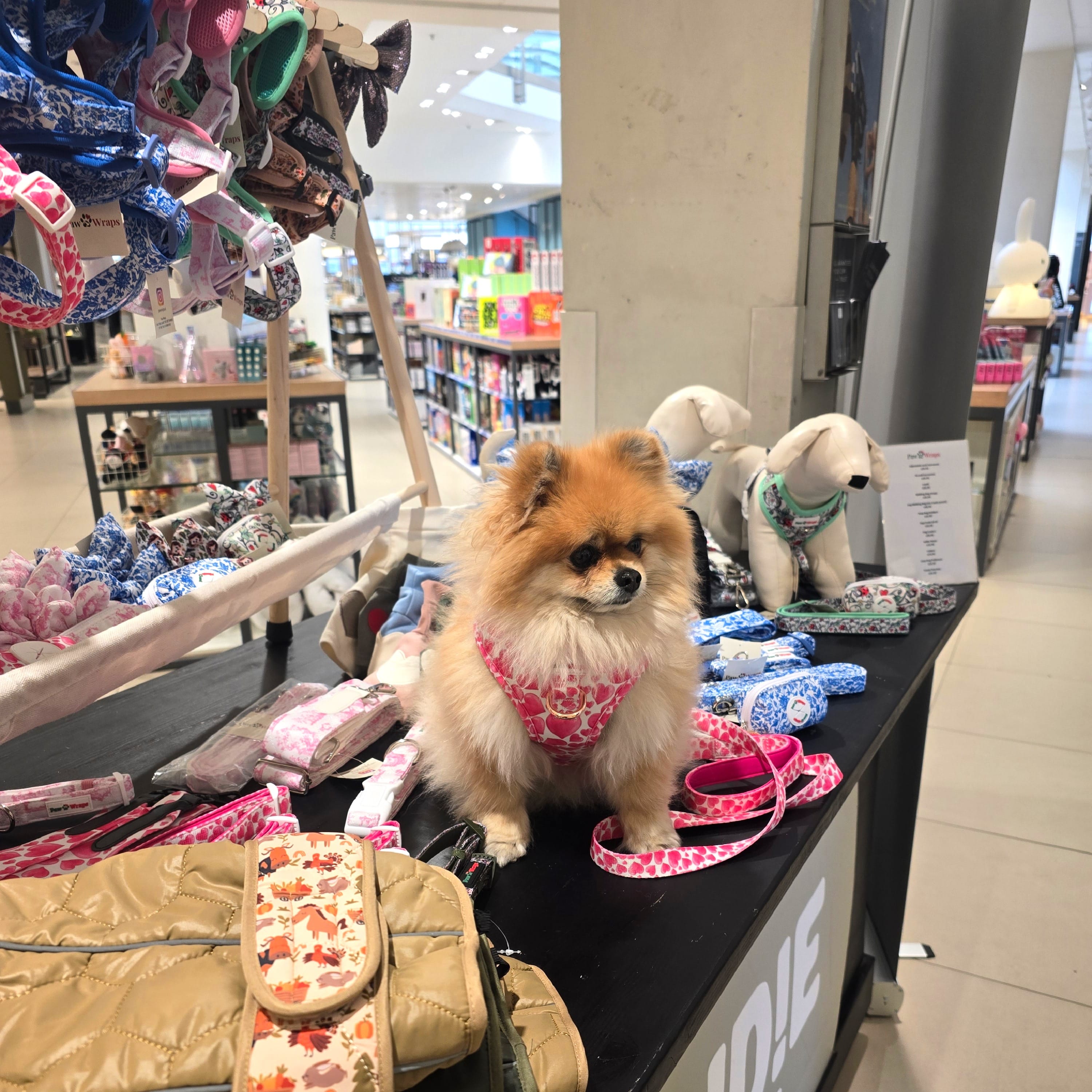
At Paw Wraps, the appeal of coordinated accessories lies in that lovely balance: your dog can look beautifully put together while still being properly equipped for damp grass, cool air and all the happy unpredictability of walkies.
Care Helps a Good Coat Last
A coat needs regular care to keep doing its job. Let it air dry after a wet walk rather than folding it away damp, which can leave it smelling musty and affect the fabric over time. Brush off loose mud once it has dried, then follow the care label for washing.
Avoid using fabric conditioner unless the label specifically permits it, as it can affect some water-repellent finishes. It is also worth checking fastenings occasionally for trapped hair, grit or wear. A clean, well-fitting coat is more comfortable for your dog and looks far smarter season after season.
The loveliest small dog coat is one your pup barely notices they are wearing: warm enough for a pause at the coffee hatch, dry enough for a dash through the grass, and stylish enough to make every walkie feel like their little moment in the spotlight.

Leave a comment
This site is protected by hCaptcha and the hCaptcha Privacy Policy and Terms of Service apply.