


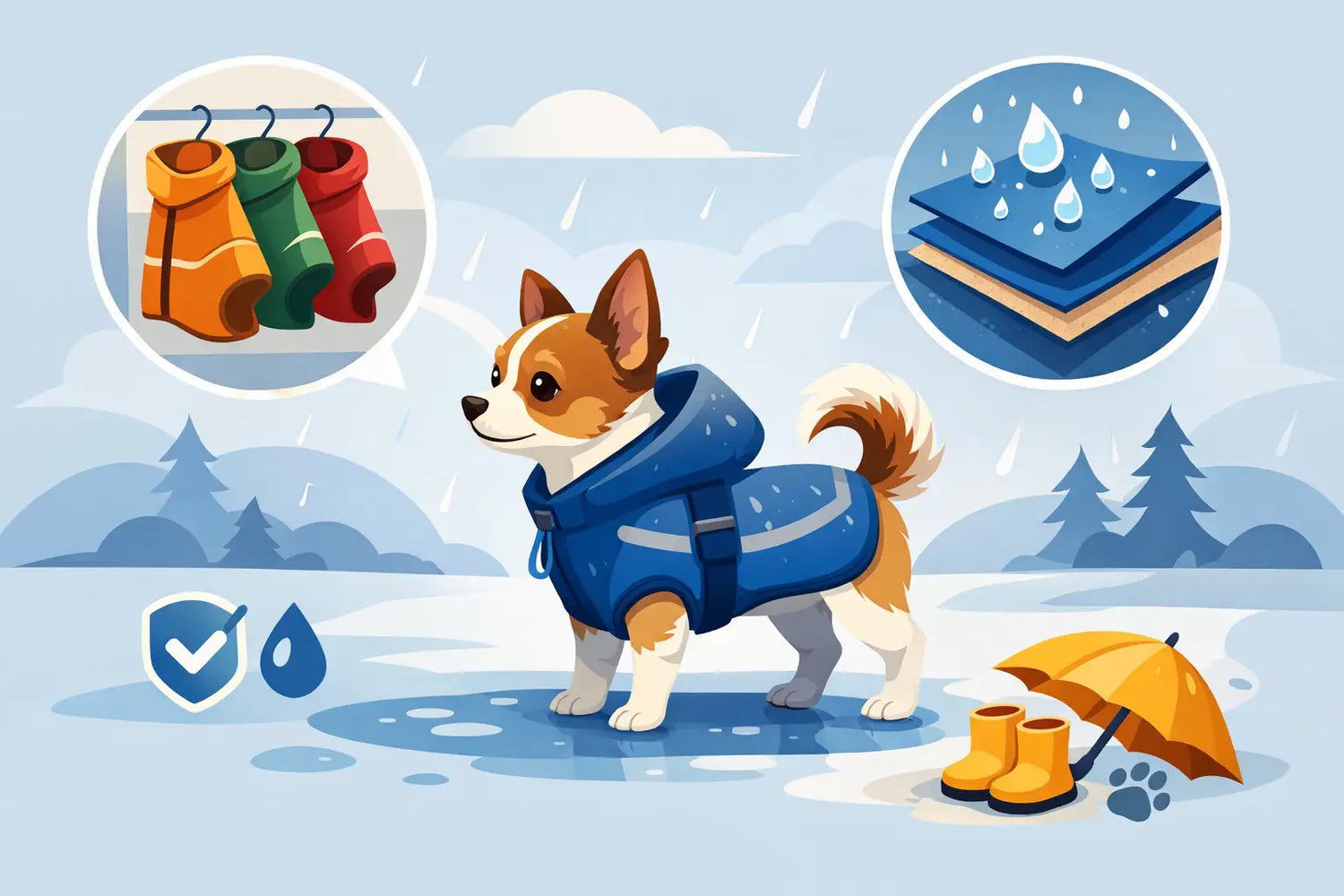
A sudden shower can turn a cheerful little strut into a soggy, shivery carry-home, especially when your dog is close to the ground and catches every splash. That is why choosing the right waterproof dog coat for small dogs is less about dressing up for the weather and more about keeping your tiny companion comfortable, dry and happy on everyday walkies.
Small breeds feel wet weather differently. Their bodies sit lower to the pavement, their tummies are closer to puddles, and many simply do not have the size or coat density to shrug off cold rain. Add in the fact that a poor fit can rub under the legs, slide sideways, or bunch around the neck, and it becomes clear that not every raincoat is made with little dogs in mind.
Why a waterproof dog coat for small dogs matters
For a Chihuahua, Maltese, Miniature Dachshund or toy Poodle, rain is rarely just rain. It often means a wet chest, muddy underside and a chill that sets in quickly, particularly on breezy days. A well-made coat helps create a light barrier against the weather so your dog can enjoy being outside without ending up drenched after ten minutes.
It also helps at home. Less water in the coat means less towel drying, less damp dog smell on soft furnishings and less fuss after each outing. If your dog already wears a harness, the right outer layer can make your walking routine feel much more polished and far less chaotic.
That said, not every small dog needs the same level of coverage. A thick-coated terrier who loves charging through drizzle may need something different from a fine-haired Italian Greyhound who would rather turn round at the front gate. The best choice depends on coat type, body shape, tolerance for cold and how long your walks usually last.
What to look for in a waterproof dog coat for small dogs
The first thing to check is true waterproof protection rather than a fabric that is merely shower resistant. In British weather, there is a real difference. A proper waterproof outer helps rain bead off instead of soaking through after a few minutes, which matters when the forecast says light rain and delivers a proper downpour.
Fit comes next, and for small dogs it is everything. Tiny breeds vary wildly in shape. A Dachshund needs extra back length without too much depth under the chest. A Pomeranian may need room through the coat without looking swamped. A puppy may still be growing, which makes adjustability especially useful.
Look for a coat that sits neatly along the back, protects the chest and avoids restricting shoulder movement. If the fastening lands awkwardly under the elbow or pulls across the front legs, your dog will tell you quickly by freezing, waddling or trying to wriggle free.
Soft lining matters too. Waterproof fabrics can feel a little crisp on their own, so a comfortable inner layer helps stop rubbing and makes the coat feel cosy rather than stiff. The sweet spot for many small dogs is a coat that keeps rain out while staying light enough for easy movement.
Getting the fit right without guesswork
A lovely print and premium finish count for very little if the coat does not fit properly. Start with your dog’s back length, measured from the base of the neck to the start of the tail, then check chest and neck measurements as well. For small breeds especially, relying on weight alone can be misleading.
If your dog is between sizes, think about body shape and coat fluff before sizing up automatically. Too large and the coat can shift, catch mud underneath and let rain in around the neck. Too small and it may strain across the chest or leave the back exposed.
Puppies are the trickiest of all. It is tempting to buy with growing room, but too much extra fabric can make them feel awkward and put them off wearing coats altogether. A gently adjustable style is often the most sensible option while they are still finding their paws.
The features that make rainy walkies easier
A good raincoat should feel simple to put on when your dog is already hopping with excitement by the door. Easy fastenings make a genuine difference, particularly if your small dog does not enjoy standing still for outfit changes.
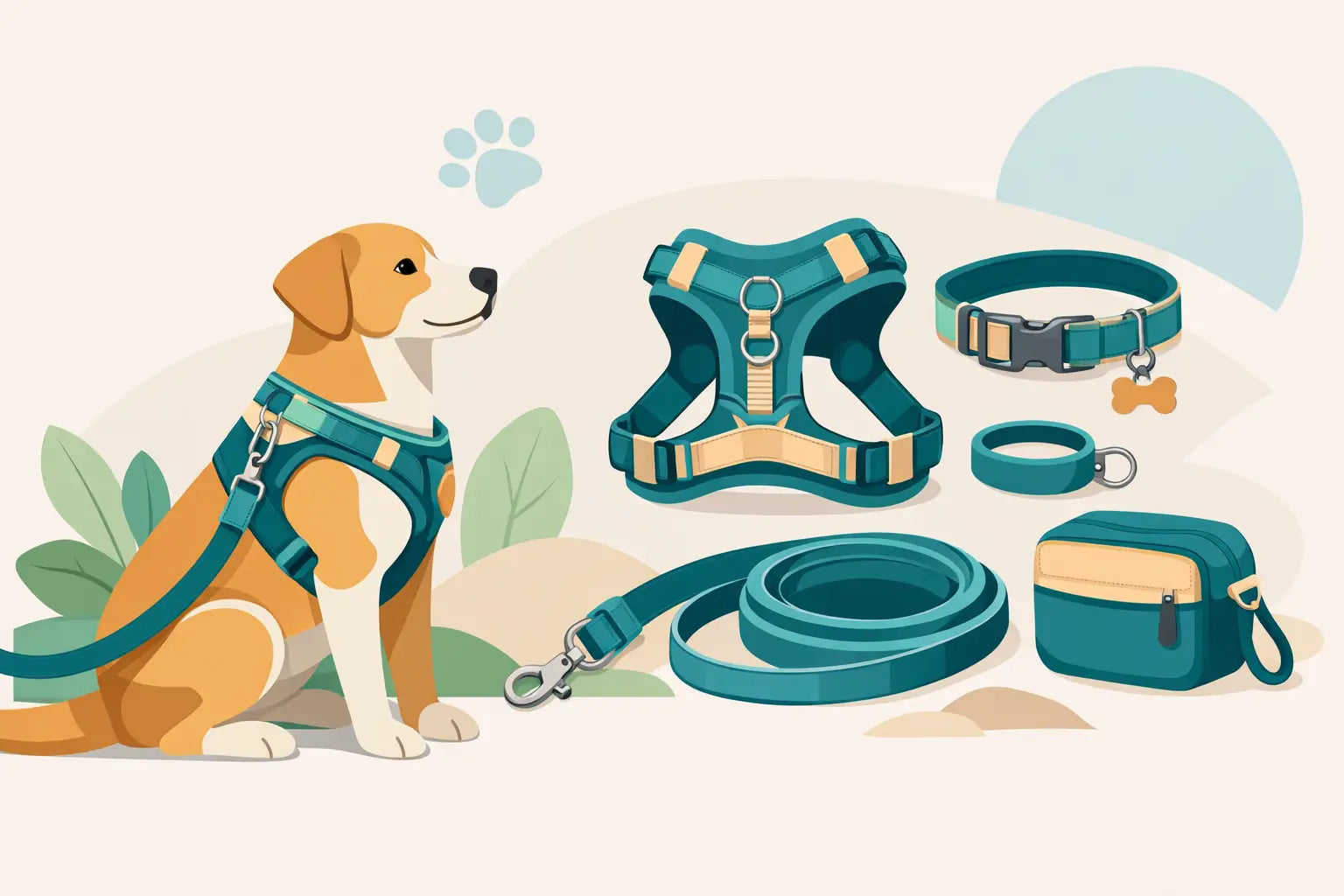
Harness compatibility is another detail worth checking. Many owners of little dogs prefer a harness for comfort and control, so a coat that works neatly with one can save a lot of faff. If the coat sits badly over a harness or bunches around attachment points, the whole look and feel can become uncomfortable.
Belly coverage is often overlooked, yet it is one of the most useful features for tiny breeds. Because small dogs are so close to the ground, they collect spray from underneath as much as rain from above. A bit more protection through the chest and belly area can keep them noticeably cleaner.
Reflective detailing is also handy during darker mornings and early evening strolls. It does not need to spoil the style. In a well-designed coat, practical details should blend in beautifully rather than making your dog look like a building site cone.
Style and practicality can happily coexist
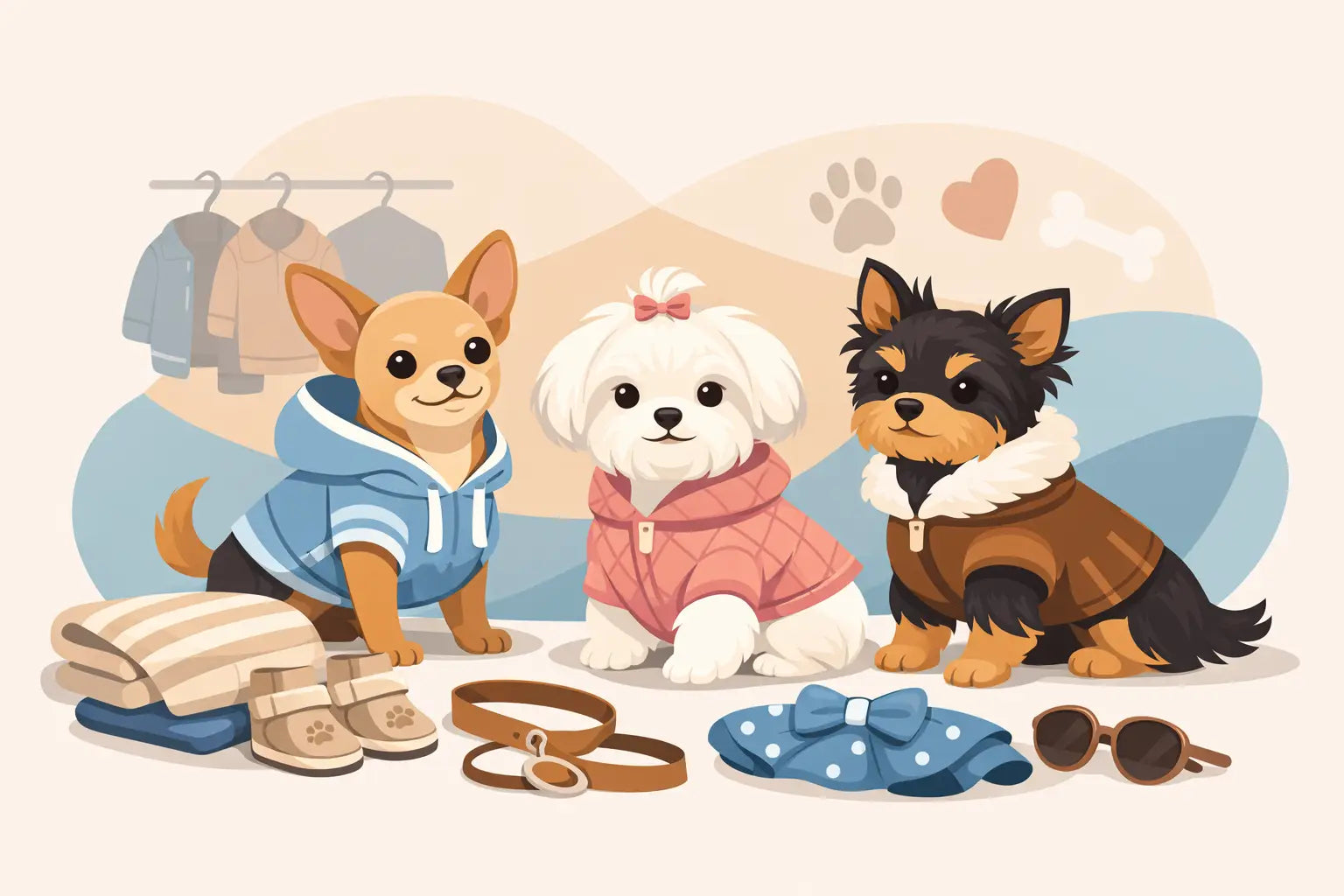
There is no reason a dog coat has to look purely functional to do its job well. For many pet parents, dogwear is part of the joy of caring for a beloved companion. A thoughtfully chosen coat can protect against the elements while still feeling elegant, playful and very much in keeping with your dog’s personality.
This is where design-led dogwear shines. Coordinated accessories, flattering shapes and charming prints can turn an ordinary rainy-day essential into something that feels special each time it comes out of the cupboard. A polished look does not mean sacrificing comfort. If anything, the best pieces manage both beautifully.
Boutique collections such as those at Paw Wraps speak to exactly that balance - practical pieces made for real walkies, with enough charm to make your dog look every bit as treasured as they are.
Common mistakes when buying a small dog raincoat
One of the most common mistakes is choosing thickness over usefulness. A very padded coat may sound ideal, but if your dog overheats easily or stiffens up in bulky clothing, it may spend more time hanging on a hook than being worn. For mild, wet weather, lightweight waterproofing is often more versatile than heavy insulation.
Another is forgetting the underside. Many coats look neat from above but leave the chest exposed, which is not ideal for little dogs navigating wet pavements. If your dog comes home with a soaked front despite wearing a coat, the design may simply not offer enough coverage.
Lastly, some owners buy only for appearance and others buy only for function. The happiest middle ground is a coat that your dog is comfortable wearing and that you genuinely enjoy reaching for. If it feels like part of your routine, you are far more likely to use it consistently.
When a waterproof coat is most useful
Not every damp day calls for the same outfit. A waterproof coat is particularly helpful in steady rain, windy drizzle and on colder autumn and winter walks where wet fur can quickly lead to discomfort. It is also a smart choice for dogs recovering from grooming, since freshly clipped coats offer less protection from the elements.
It can be useful in spring as well, especially during those unpredictable days that begin bright and end in sideways rain. For tiny dogs with fine coats, even a short trip out for a toilet break can be more pleasant with light weather protection.
On the other hand, some dogs may not need a coat in warm summer showers. If the air is mild and your dog dries quickly, a full waterproof layer may be unnecessary. It really does depend on your dog, your local weather and how long you plan to be out.
Helping your dog get used to wearing one
If your small dog is new to coats, introduce it indoors first. Let them sniff it, wear it briefly, and pair the experience with praise or a treat. Most dogs settle quickly once they realise the coat does not stop them doing anything important, especially if it fits well.
Watch how they move. A little pause is normal at first. A tucked tail, odd gait or repeated scratching usually means something needs adjusting. Often the problem is not that the dog dislikes coats, but that the specific cut is uncomfortable.
Once they are happy inside, try a short dry walk before testing it in proper rain. That gives your dog a chance to get used to the feel without adding wind, puddles and general weather drama to the learning process.
Choosing a raincoat for a tiny dog is a practical decision, but it is also a caring one. The right piece keeps your dog dry, protects their comfort and makes everyday outings feel easier for both of you. When a coat fits properly, performs well and still looks beautifully put together, rainy walkies stop feeling like a compromise and start feeling like part of the fun.

Leave a comment
This site is protected by hCaptcha and the hCaptcha Privacy Policy and Terms of Service apply.