


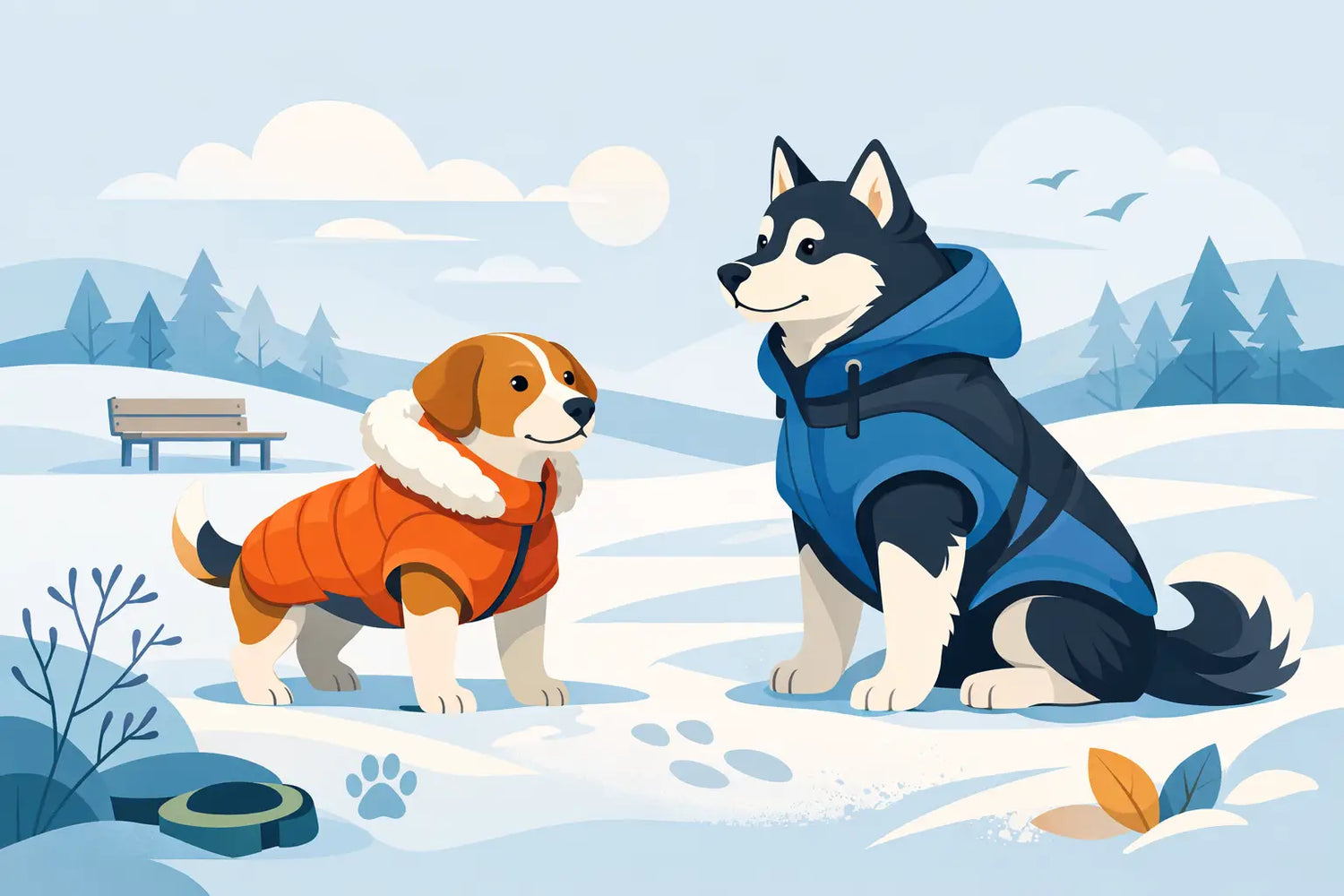
The shiver usually starts before you have even reached the end of the road. One minute your pup is trotting along happily, the next they are lifting a paw, slowing down, or giving you that look that says walkies suddenly feel far less fun. That is exactly why finding the best dog coats for chilly walks matters - especially for small breeds and puppies, who often feel the cold far more quickly than their larger, fluffier friends.
A good coat is not just a cute extra for crisp-weather outings. It can make winter strolls more comfortable, keep light rain and wind at bay, and help your dog stay relaxed enough to actually enjoy being out. Of course, if you love a polished, put-together look, it does not hurt when a coat feels as lovely as it looks.
What makes the best dog coats for chilly walks?
Not every dog coat earns its place in the hallway basket. The best ones balance warmth, comfort and practicality without turning your dog into a stiff little parcel. For chilly walks, that usually means a coat with enough insulation to take the edge off cold air, but not so much bulk that your dog struggles to move naturally.
For small dogs, this balance matters even more. Tiny bodies lose heat faster, and many toy breeds have fine coats or very little body fat. A Chihuahua, Miniature Dachshund, Yorkshire Terrier or young puppy may need a coat on days when a stockier or shaggy breed is perfectly comfortable without one.
The outer fabric also matters. If your winter walkies involve damp pavements, drizzly parks or muddy footpaths, a waterproof or water-resistant finish is far more useful than something purely decorative. Soft lining helps too. Nobody wants a coat that looks darling on the hanger but rubs under the front legs or traps static in the fur.
Warmth is important, but fit comes first
A dog coat can be beautifully made, nicely padded and charming to look at, yet still miss the mark if the fit is wrong. This is where many owners go astray. If the coat is too tight across the chest, your dog may walk awkwardly or refuse to move. Too loose, and cold air gets in while the coat shifts from side to side.
The best fit should feel secure without squeezing. Your dog should be able to walk, sit and have a good sniff without the coat riding up or twisting. For small breeds in particular, chest shape can vary more than people expect. A slim Italian Greyhound build needs something quite different from a rounder French Bulldog shape, so sizing should never be guessed by breed name alone.
Length matters as well. A shorter-backed dog may be swamped by a coat that extends too far, while a longer-bodied pup can end up with exposed lower back if the coat is too short. Measuring properly before you buy is far less glamorous than choosing a print, but it is the bit that makes the biggest difference.
Waterproof, padded or knitted?
When people search for the best dog coats for chilly walks, they are often really choosing between three types. Each has its place, and the right one depends on your dog, your local weather and how long your walks usually last.
A waterproof coat is often the most practical all-rounder for a British winter. It helps block wind, copes well with drizzle, and usually suits everyday outings when the forecast cannot quite make up its mind. If your dog dislikes being wet or gets chilly quickly after light rain, this is usually the smartest option.
A padded coat offers more warmth and can be ideal for frosty mornings or longer walks in colder conditions. The trade-off is that heavier padding can feel bulky on very tiny dogs or energetic puppies who like to zoom about. In those cases, light but effective insulation often works better than thick stuffing.
A knitted dog jumper or sweater can be lovely for cool, dry days, but it is not always enough for truly cold or damp weather. Think of it as a cosy layer rather than full weather protection. It can be perfect for quick outings, buggy rides, café stops or layering under a lightweight waterproof if the fit allows.
Features worth paying for
Some coat details sound minor until you are dealing with them in the rain, with one hand holding a lead and the other trying to fasten wriggling velcro around a very opinionated puppy.
Easy fastenings make a real difference. Adjustable closures around the neck and chest help you get a neater fit and leave room for layering if needed. A harness opening can also be helpful, although it needs to sit in the right place for your dog’s shape and harness style.
Reflective trim is worth having for darker afternoons, especially in winter when daylight seems to vanish halfway through tea time. A coat that covers the chest can offer more warmth, but it should not interfere with your dog’s gait. If your pup has a habit of splashing through every puddle available, fabrics that wipe clean easily will quickly become your favourite.
Then there is the matter of style. Yes, function comes first, but for many dog parents, style is part of the joy. A thoughtfully chosen coat in a beautiful print or elegant colourway feels special, and for those who love a coordinated lead, harness and accessories moment, it turns a practical purchase into something a little more delightful.
Choosing for small breeds and puppies
Small dogs are often the ones who need coats most, yet they can also be the trickiest to shop for. They need warmth without weight, protection without stiffness, and enough coverage without drowning their little frame.
Puppies add another layer of complication because they grow quickly and may still be getting used to wearing anything at all. Softness is key here. A coat that feels gentle and lightweight is more likely to be accepted than one that rustles, slips or feels overly structured. Short practice sessions indoors can help before the first chilly outing.
Breed tendencies matter too. Fine-coated dogs often need more insulation. Very low-to-the-ground breeds may benefit from coats that keep their underside protected from cold splashback, but not so much that the fabric gets constantly dirty or soggy. If your dog has a thick natural coat, they may only need outerwear in particularly cold, wet or windy conditions.
It is always worth watching your own dog rather than following blanket rules. If they tremble, tuck their tail, resist going outside or seem eager to head home, they may need more protection. If they are active, warm to the touch and perfectly content, a lighter layer may do nicely.
Style and practicality can belong together
There is a lingering idea that practical dog coats must look plain, while stylish ones are just for show. Happily, that is no longer true. The most appealing pieces now manage to do both - keeping your dog comfortable while still feeling beautifully considered.
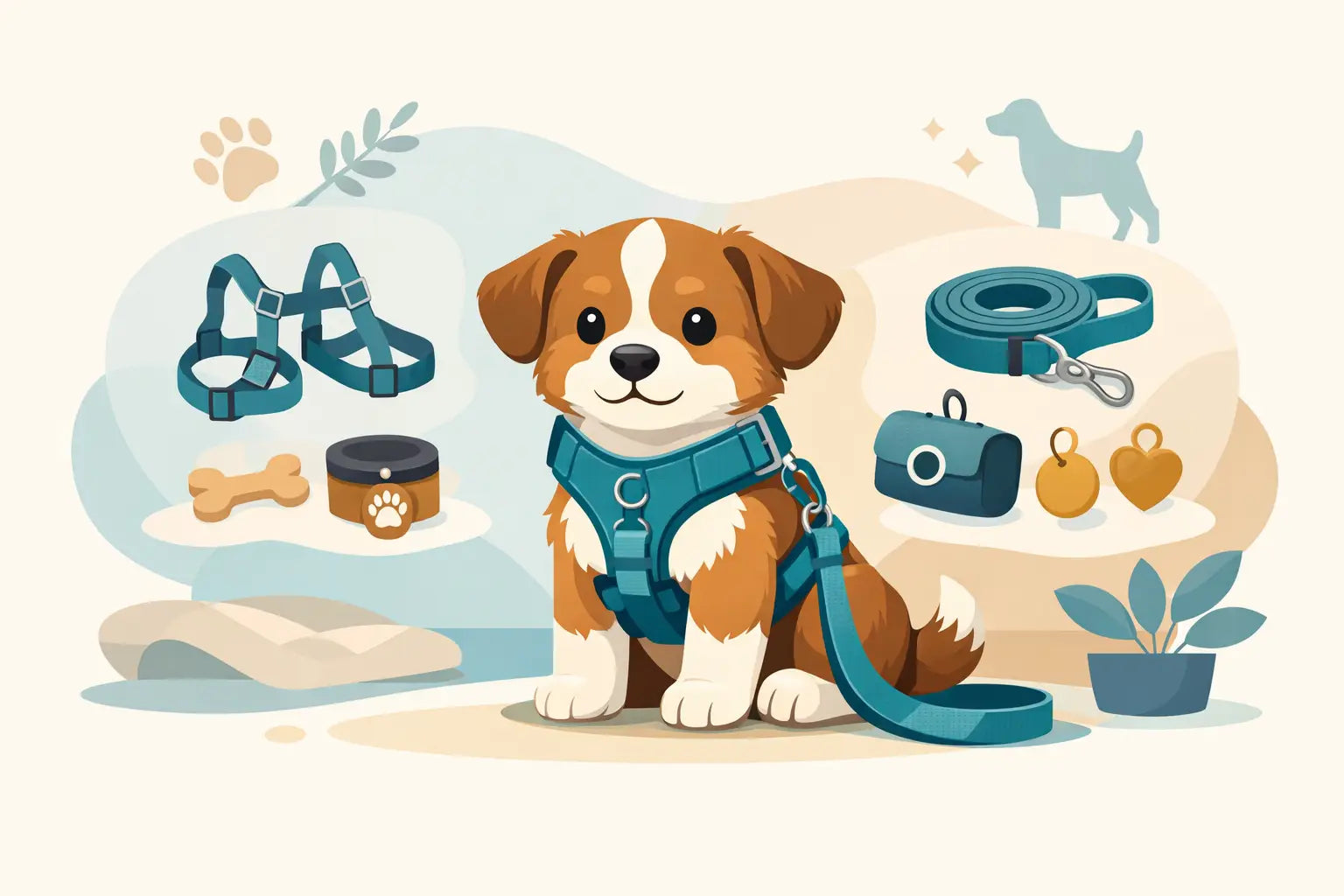
That is especially lovely for pet parents who enjoy a coordinated walking set. A coat that works alongside a harness, collar or lead in a complementary print or colour makes everyday walkies feel a bit more polished. It is not about dressing your dog up for the sake of it. It is about choosing pieces that feel cared for, cohesive and made with the same attention you would give your own winter wardrobe.
At Paw Wraps, that blend of boutique style and practical comfort is very much the point. For owners of small dogs and puppies, a coat should earn its keep on a cold morning while still feeling worthy of all those camera-roll photos later.
When your dog might not need a coat
Even among lovers of cosy dogwear, honesty matters. Not every dog needs a coat every time the temperature drops. A healthy, active breed with a dense coat may be perfectly comfortable on many chilly walks. Overdressing can leave some dogs too warm, especially on brisk routes where they are constantly moving.
The trick is to think about conditions rather than assuming winter equals coat. Is it windy? Wet? Are you heading out for ten minutes or an hour? Is your dog elderly, tiny, slim, recently groomed, or recovering from illness? Those details matter more than the calendar alone.
If you are ever unsure, start lighter and observe. Comfort is the goal, not simply coverage.
A few shopping mistakes to avoid
The most common mistake is choosing by appearance alone. If a coat slips backwards, gaps at the neck or bunches around the shoulders, it does not matter how pretty it looks laid flat. Another is buying too much coat for the weather. Thick padding can be brilliant in frost, but excessive warmth on a mild day can be uncomfortable.
It is also easy to forget how the coat works with your walking routine. If your dog wears a harness, make sure the setup makes sense. If your pup hates overhead dressing, look for easier fastening styles. And if you like things to stay looking smart, check whether the fabric is simple to clean and care for.
A lovely dog coat should make life easier, not fussier.
Cold-weather walkies feel better when your dog is warm, comfortable and free to move, and that is really what the best choice comes down to. Pick the coat that suits your dog’s body, your local weather and your everyday routine, and you will both enjoy winter outings a great deal more.


Leave a comment
This site is protected by hCaptcha and the hCaptcha Privacy Policy and Terms of Service apply.