


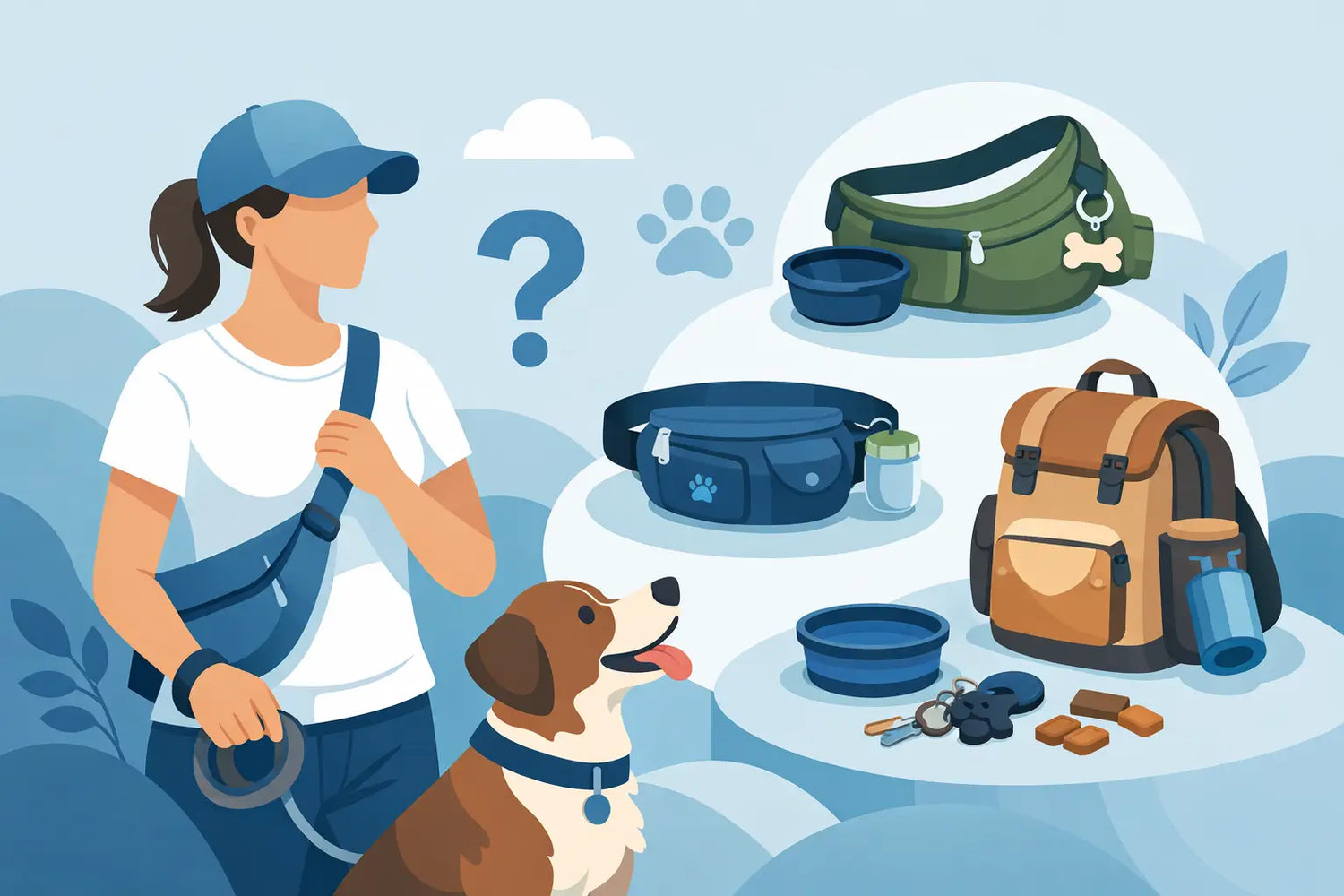
A good walk can go downhill surprisingly fast when you are juggling a lead, a phone, poo bags, treats, keys and a tiny dog who has suddenly decided the pigeon ahead is deeply suspicious. That is exactly why the best dog walking bag is not just a nice extra. It is the piece that keeps walkies feeling calm, polished and genuinely enjoyable.
For many dog parents, especially those with small breeds and puppies, the bag matters more than people expect. You are not packing for a hike across the Highlands. You are heading out for everyday strolls, café stops, puppy classes, quick garden breaks that turn into longer loops, and those lovely little routines that shape the day. The right bag should make all of that easier while still looking beautifully considered.
What makes the best dog walking bag?
The short answer is balance. The best bag is practical enough for real life but stylish enough that you actually want to carry it. If it looks clunky, feels awkward or turns every outing into a rummage for treats, it will end up forgotten by the door.
For most owners, function starts with space, but not too much space. A huge bag sounds useful until it bounces against your hip or tempts you to carry half the house. A very tiny pouch can be chic, but if there is no room for your phone and keys alongside dog essentials, it quickly becomes frustrating. The sweet spot is a compact shape with clever compartments.
That means room for poo bags, treats, keys, your phone, and perhaps a small purse or lip balm, without turning into a bulky everyday handbag. If your dog is a puppy or a small breed, you may also want space for a training clicker, wipes or a collapsible water bowl. It depends on your routine, but ease matters more than sheer capacity.
The best dog walking bag features to look for
The first feature worth paying attention to is organisation. One zipped main compartment and a dark fabric lining might look neat online, but in real life it often means fishing around for one biodegradable bag while your dog chooses the least convenient place imaginable to stop. Separate sections are far more helpful than a single catch-all compartment.
A built-in poo bag dispenser is one of those details that seems small until you use it daily. It saves time, avoids mess and keeps the whole bag looking tidier. Treat storage is equally important. If treats are loose in the bottom of your bag, they end up crushed, crumbly or forgotten. A designated treat pouch or easy-access pocket makes reward-based training much smoother.
Strap style matters too. Crossbody bags are usually the easiest option for hands-free walkies, particularly if your dog is lively or you are carrying a puppy part of the way home. Belt bags can work well for shorter outings, though some people find them less comfortable over coats. A shoulder bag can look lovely, but if it slips about while you are managing the lead, it may not be the most practical choice.
Material is another make-or-break detail. Wipe-clean fabrics are a gift in British weather. Mud, drizzle and the occasional treat smudge are part of normal life with dogs, so a bag that can be refreshed easily is far more useful than one that needs delicate handling. At the same time, it should still feel premium. Utility is lovely, but so is a bag that looks thoughtfully designed rather than purely functional.
Style is not a frivolous extra
Dog accessories are often treated as though they only need to do a job. We disagree. Pets are more than just companions - they are family, and the pieces you choose for everyday life should feel good to use.
A dog walking bag sits at the intersection of fashion and routine. It goes out with you regularly, appears in photos, accompanies coffee runs and park strolls, and often travels with your dog’s harness, lead and accessories. So yes, it should be useful, but it should also feel like it belongs with the rest of your look.
That is particularly true if you love a coordinated finish. A matching or complementary bag alongside your dog’s harness, lead or poo bag holder makes the whole outing feel more put together. It is not about being overly dressed for a morning loop around the block. It is about choosing pieces that make the everyday feel a little more special.
Choosing the right bag for your routine
Not every dog parent needs the same setup, which is why the best dog walking bag will depend partly on how you and your pup spend your time outdoors.
If your walks are short and local, you may only need the essentials close at hand. In that case, a lighter compact bag with room for treats, bags, keys and a phone is ideal. You want enough storage to feel prepared, but not so much that the bag becomes heavy for a quick turn around the green.
If you have a puppy, your needs are usually more complicated. Training treats, spare bags, wipes and perhaps a small toy can all earn their place. Easy access becomes even more important here because puppies rarely wait politely while you unzip three compartments.
For longer walks, a little extra space helps, especially if you like to bring water or plan to stop at a dog-friendly café. Even then, it is wise to stay selective. The best bag for a longer stroll is still one you can carry comfortably and access without fuss.
And then there is the small dog factor. Small breeds often come with very specific walking routines. Some are enthusiastic little explorers. Others need gentler, shorter outings or a few extra comforts along the way. A bag that supports that rhythm, without overwhelming your frame or outfit, tends to work best.
Common mistakes when buying a dog walking bag
One of the biggest mistakes is choosing solely on looks. A beautiful bag that has nowhere sensible for treats or poo bags is going to irritate you within days. The reverse is true as well. If a bag is practical but feels dull or overly sporty for your style, you may not enjoy carrying it.
Another common issue is ignoring size proportions. A bag can look compact on a product page and still feel too large on a petite frame, especially for owners of small dogs who prefer a neater silhouette. Likewise, very slim bags may not fit larger phones, so checking dimensions is always worth doing.
People also tend to underestimate closures. Magnetic fastenings can be elegant, but zips offer more security if you are bending down often or moving about quickly. Open-top pockets may be fine for treats but less reassuring for your keys.
Finally, there is the temptation to buy a general handbag and hope it doubles as a dog walking bag. Sometimes that works, but often it means no dispenser, no practical compartments and a lingering scent of liver treats where your purse ought to be. A bag designed with walkies in mind usually performs far better.
Why thoughtful design changes everyday walkies
The loveliest dog accessories are the ones that quietly remove stress. You are not thinking about the bag itself. You are noticing that rewards are easy to reach, your hands are free, everything has its place and the outing feels smoother from start to finish.
That can sound like a small thing, but daily routines are built from small things. A bag that helps you stay organised can make training more consistent. It can make a last-minute dash out the door feel simpler. It can even make you more likely to say yes to one extra lap of the park because you know you have what you need.
For style-conscious dog parents, there is also joy in carrying something that feels beautifully made. A premium dog walking bag should not feel like an afterthought beside the rest of your dog’s accessories. It should feel like part of a curated little collection that works together, especially if you enjoy matching details and elevated everyday pieces.
At Paw Wraps, that idea of practicality meeting polish is at the heart of what makes dog accessories feel special. You should not have to choose between useful and lovely.
So, which bag is best?
The best dog walking bag is the one that suits your real routine, not an imaginary one. If you want hands-free ease, a crossbody style is often the strongest all-round choice. If organisation is your top priority, look for dedicated spaces for treats, poo bags and personal essentials. If style matters just as much as function, choose a design that feels at home with the rest of your dog walking wardrobe.
Most of all, pick a bag you will genuinely enjoy reaching for every day. Because when the practical details are sorted and the finishing touches feel just right, walkies become less of a scramble and more of what they should be - a happy little ritual you and your dog look forward to.

Leave a comment
This site is protected by hCaptcha and the hCaptcha Privacy Policy and Terms of Service apply.